Start with a useful idea
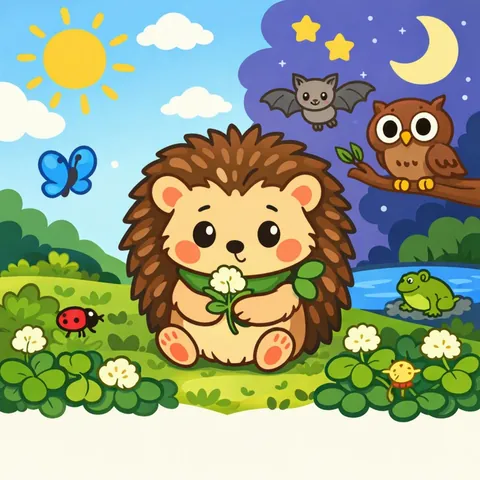
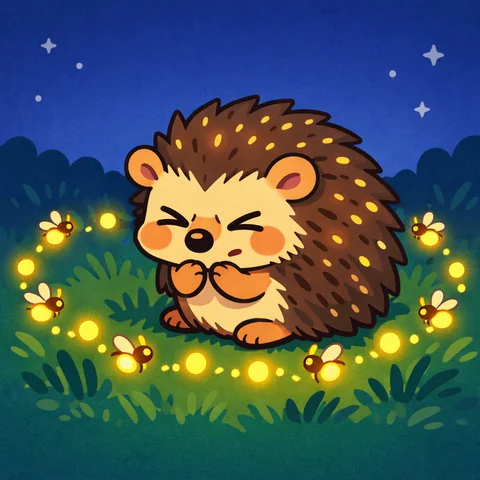
You can begin with one sentence, but a stronger idea names the reader, the main character, what that character wants, what gets in the way and how the story should feel at the end. A sentence such as “a shy hedgehog who is afraid of the dark decides to watch the stars” already gives StoryMint a character, a problem and a direction. The planning guide has a one-page brief you can reuse for any book.
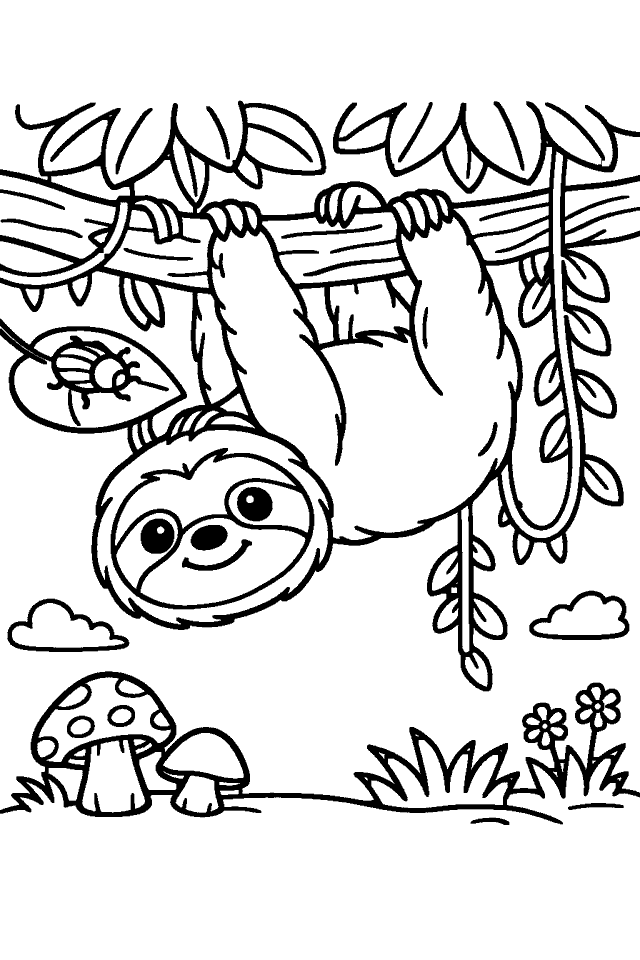
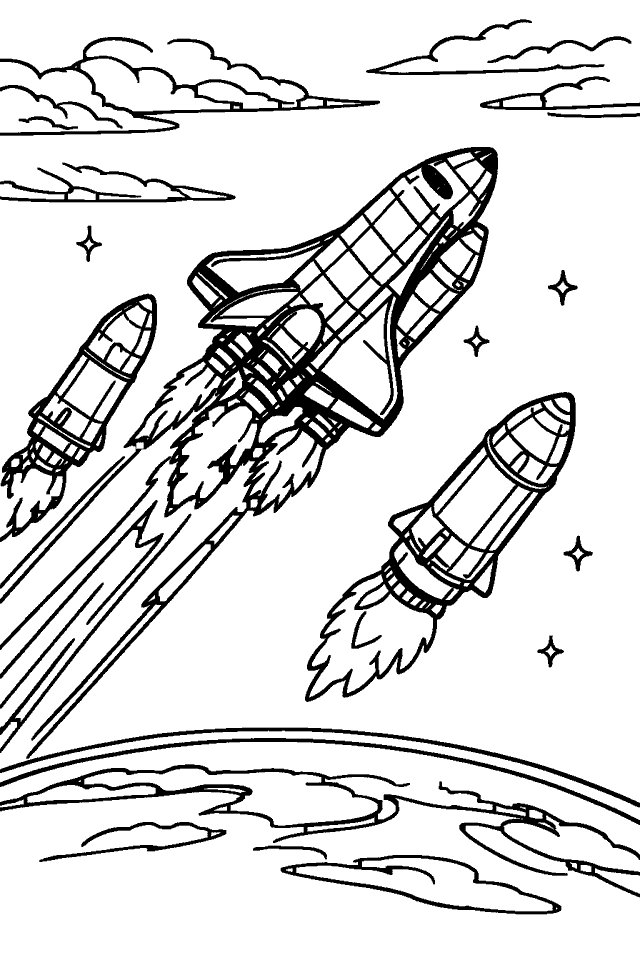
For a coloring book the idea is usually a theme rather than a plot: ocean animals, a snowy day, vehicles that help around town. Think about who will color it. Very young children need big, simple shapes; older kids enjoy smaller areas and more detail.
Choose the kind of book
Each format asks for a different rhythm, so pick the one that fits the reader rather than the one that sounds most impressive.
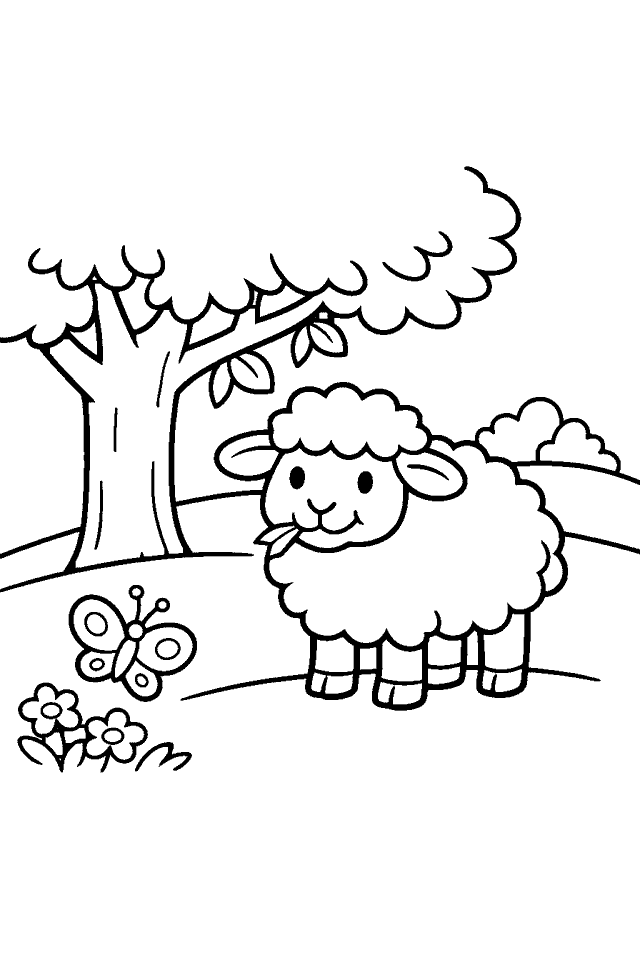
- Coloring books are black-and-white line art with bold outlines and one scene per page. You choose a line style — big shapes for little hands, bold lines or fine lines — and whether each picture gets a short caption underneath.
- Picture books pair a few sentences of story with a picture on every page, for reading aloud.
- Comics and chapter comics tell the story in panels with speech bubbles and narration. They are included with paid plans or a comic credit.
- Novels are in beta and tell a longer story in chapters for older readers, on paid plans.
Let StoryMint draft it
When you start, StoryMint plans the book as one project: the story, the characters and what each page should show. It then writes the pages, draws the pictures to match and puts the cover and the layout together. Because a book has many parts that depend on each other, this takes longer than a chat reply. The progress view tells you what StoryMint is working on while you wait.
Characters are planned once and that plan is reused for every page, which helps a hero keep the same look from the first page to the last. It still pays to look closely: the draft is a starting point, not a finished book.
Read the whole book
Read from beginning to end before polishing a favorite page. Ask whether the main character makes the important choice, whether every page moves the story forward and whether the ending follows from what came before. Then look at the pictures as a sequence: the same character, the same clothes, the same place, the right time of day.
- Read every line aloud.
- Look at every picture at full size.
- Check names, facts and anything sensitive.
- Make sure the words and the pictures tell the same story.
- Confirm the language fits the child who will read it.
Ask for specific changes
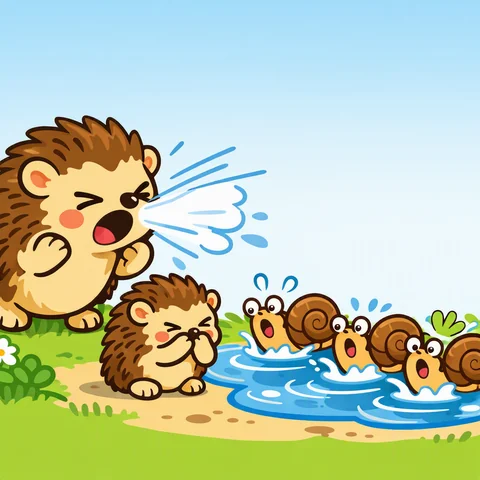
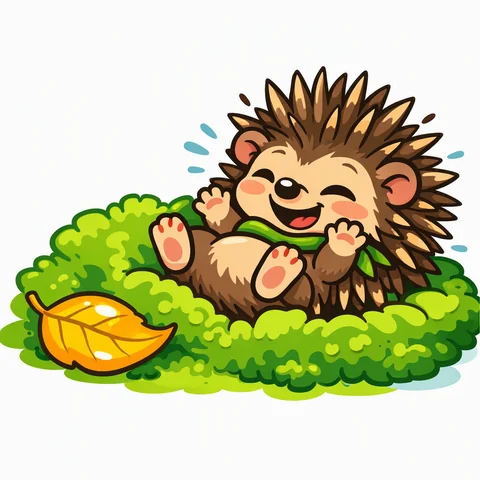
You can change any page in the workspace without starting over. Specific requests work better than “make it better”: name the problem, say what should stay the same and describe the change you want. For example: “Keep the same hedgehog and the same night sky. Make the moon a little bigger and change the last sentence so Pip says goodnight to the owl.”
For coloring books, the most useful changes are usually about the page itself: fewer small details for a toddler, a different animal, or a caption that matches the picture more closely.
Share it or keep it private
A new book stays in your account until you decide otherwise. You can send a private reading link to family, publish the book to the StoryMint library or list it in the marketplace. Before anything goes public, read it once more as a stranger would see it: the title, the cover, the description and every page.
Download and print
Download the PDF with an eligible paid plan or book credit. Coloring books print well on plain printer paper; for markers, a heavier paper keeps colors from showing through. Print a single test page first to check the size and the margins on your printer.
What StoryMint checks, and what it cannot decide
Every idea is checked before anything is drawn, so StoryMint stays suitable for children and draws original characters rather than ones from shows or brands. Coloring pages get an extra check: before a page goes into your book, StoryMint checks that a paint-bucket fill stays inside the lines, that the lines are thick enough to print and that there is no gray. A page that fails is drawn again.
Checks like these catch technical problems. They cannot decide whether a joke lands, whether an apology feels earned or whether a page is right for a particular child. That part is still yours, and it is the part that makes a book feel like it was made for someone.
What stays with you
You choose the idea, read the result, ask for changes and decide who sees the book. You also keep ownership of the books you create; the details are in the Terms. If a book will be used in a classroom or shared widely, review it more carefully than you would a private bedtime story, and ask a second adult to read it too.